

As conversations around mental health become more visible in India, important questions still remain. Why do so many people continue to struggle in silence despite rising awareness? What emotional burdens are young adults and professionals carrying today? And how can behavioural science help us understand mental well-being beyond labels and crisis?
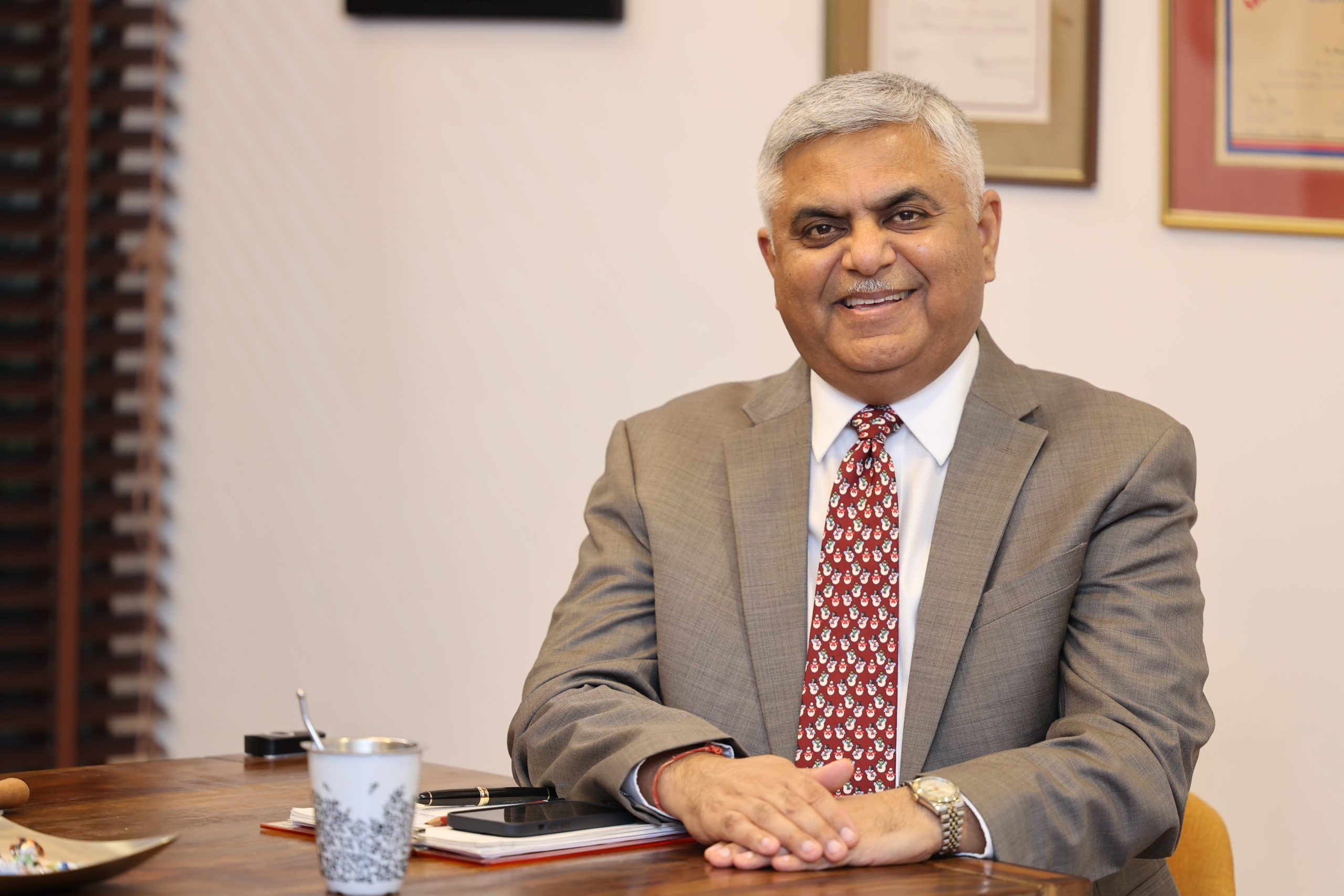
To explore these questions, Article 15 spoke with Dr. Sanjeev P. Sahni, a renowned psychologist and leading voice in behavioural sciences, whose work has long focused on the intersection of emotional well-being, human behaviour, performance, and self-awareness. In this conversation, Dr. Sahni reflects on how India’s mental health landscape is evolving, the silent emotional patterns many people live with, the pressures of digital life and performance culture, and why accessible, non-judgmental tools for early support are more important than ever.
Over the years, how have you seen the conversation around mental health evolve in India, especially among younger people and urban professionals?
Over the years, I have seen a meaningful shift in how mental health is being discussed in India. Among younger individuals and urban professionals, there is noticeably greater openness toward conversations around stress, burnout, anxiety, and emotional well-being. Mental health is no longer viewed only as a clinical concern but increasingly as something connected to everyday functioning, performance, and relationships.
However, this shift is more prominent in urban spaces. In many remote and rural areas, stigma still exists in a more pronounced way. Conversations around emotional struggles are often avoided, and individuals may not feel comfortable seeking support or even acknowledging their experiences. Mental health is still frequently misunderstood or associated only with severe conditions.
Additionally, even in urban settings, certain areas remain under-discussed, particularly relationship challenges. People often struggle silently with conflicts, emotional disconnect, or uncertainty in personal relationships. These experiences, though common, are rarely spoken about openly, and over time, they can contribute to significant emotional stress and internal conflict.
While awareness is growing, there is still a need to normalize conversations across diverse settings and life experiences.
Despite growing awareness, why do you think so many people in India still struggle to seek timely mental health support?
One of the biggest challenges I see is that people often minimise their own experiences. Many individuals feel that their struggles are “not serious enough” to seek support. They tend to compare themselves with others or believe they should be able to handle things on their own.
There is also a practical barrier. People may not know where to begin, whether they need therapy, coaching, or simply better self-awareness. The mental health ecosystem can sometimes feel overwhelming, especially for someone taking their first step.
Additionally, time constraints, professional commitments, and the fear of being judged, even internally, often lead individuals to delay seeking support. By the time they do reach out, the stress has often accumulated over a long period.
This is why early-stage support, self-assessment, and accessible tools become important; they create a gentler entry point into mental well-being before challenges intensify.
In your view, how important is a behavioural sciences lens in addressing today’s mental health challenges?
A behavioral science lens is essential because many of today’s challenges are not isolated events; they are patterns. Patterns of thinking, reacting, coping, and relating to others.
In my work, I often see individuals who are highly capable yet consistently experience stress, self-doubt, or emotional exhaustion. When we look deeper, we usually find behavioral patterns shaped by past experiences, expectations, or environmental pressures.
Behavioral science helps us move beyond surface-level symptoms and understand underlying tendencies, whether it is perfectionism, fear of failure, avoidance, or over-responsibility. Once individuals begin to recognise these patterns, they are better able to respond consciously rather than react automatically.
This approach shifts mental health from being reactive to being developmental, focused on growth, resilience, and long-term well-being.
In your experience working with individuals, what are some of the most common emotional or psychological struggles people are carrying today, even if they do not always recognise them as mental health concerns?
In my experience, many individuals today are carrying a sense of emotional fatigue without necessarily recognising it as a mental health concern. On the surface, they continue to meet their responsibilities, perform well, and appear functional, but internally they may be experiencing stress, confusion, or a quiet emotional strain that gradually builds over time. I often see people struggling with persistent self-doubt despite being capable and accomplished, along with emotional stress related to personal or romantic relationships. Family expectations and interpersonal conflicts also play a significant role, yet these concerns are not always openly discussed. Many individuals find it difficult to express their emotions, and despite being socially connected, they may still feel a sense of isolation. There is also an ongoing pressure to meet multiple expectations, professionally, personally, and socially, which can feel overwhelming.
Relationship-related stress, in particular, often remains unspoken. People may be navigating communication challenges, uncertainty, or emotional disconnect but hesitate to talk about these experiences, either because they consider them too personal or believe they should manage on their own. Over time, these unresolved concerns can quietly contribute to anxiety, emotional exhaustion, and a reduced sense of well-being. These experiences are often normalised as part of everyday life, but they have a meaningful impact on emotional health and overall functioning.
How do you think constant digital stimulation, social comparison, and performance pressure are reshaping emotional well-being, especially for young adults?
Young adults today are navigating an environment that is constantly stimulating and highly comparative. Digital platforms expose individuals to curated versions of success, achievement, and happiness, which can unintentionally create unrealistic expectations.
This often leads to a subtle but persistent sense of comparison, not only professionally but also socially and personally. Over time, individuals may begin measuring their progress externally rather than internally.
Additionally, constant digital engagement reduces opportunities for mental pause. Reflection, which is important for emotional processing, is often replaced by continuous consumption of information.
In my experience, this combination of comparison, stimulation, and performance pressure can contribute to increased anxiety, decision fatigue, and reduced emotional resilience. Supporting individuals in building self-awareness and emotional grounding becomes especially important in this context.
Was there a particular gap or recurring need in the mental health space that made you feel existing support systems were still not enough for many people?
In my work, I often encountered individuals who were not in crisis but were still struggling with stress, emotional imbalance, or performance-related challenges. They wanted to understand themselves better, but did not necessarily feel the need for therapy at that stage.
There was a recurring need for something that could help individuals gain structured insight into their emotional and behavioral patterns; something accessible, practical, and grounded in behavioral science.
I also noticed that many people were curious about how their mental and emotional state influenced their performance, decision-making, and relationships, but lacked tools that brought these dimensions together.
This gap led to the development of the Sumona app designed as an accessible platform for behavioral and mental health assessments. The idea was to create a space where individuals could explore their mind-body connection, understand patterns, and gain meaningful insights, allowing them to take proactive steps toward their well-being before challenges become overwhelming.
Your new mental health app comes at a time when many people are looking for support that feels accessible, practical, and non-judgmental. What need were you hoping to address through it?
The primary need was accessibility to meaningful self-understanding. Many individuals want to reflect on their mental and emotional well-being but may not know where to begin or may not feel ready for traditional support formats.
The app aims to provide structured assessments and insights that help individuals understand their behavioral patterns, emotional responses, and performance-related factors. It is designed to be approachable and non-judgmental, allowing users to engage with their well-being at their own pace.
The goal is not just to identify challenges but to empower individuals with clarity and awareness, enabling them to make informed choices about their mental and emotional health.
Looking ahead, what gives you hope about the future of mental health and behavioral well-being in India, and what kind of change would you most like to see?
What gives me hope is the growing openness toward self-awareness and personal growth, particularly among younger generations. There is an increasing recognition that mental well-being is not separate from success, relationships, or life satisfaction; it is central to all of them.
I would like to see mental health shift from being addressed only during difficulty to becoming a proactive, everyday practice. Just as people invest in physical health, emotional and behavioral well-being should also become part of routine self-care.
If we can create systems that make mental well-being accessible, practical, and stigma-free, we can move toward a more emotionally aware and resilient society.