
In conflict zones, childhood is often the first casualty. What disappears quickly are not just homes or schools, but the routines, relationships and sense of safety that anchor young lives. In Manipur, the ethnic violence that erupted on 3 May 2023 between the majority Meitei and the tribal Kuki-Zo communities has become a prolonged crisis stretching into 2025, leaving around 260 people dead, thousands injured and more than 60,000 to 70,000 people displaced, marking one of India’s most severe internal displacement crises in recent years.
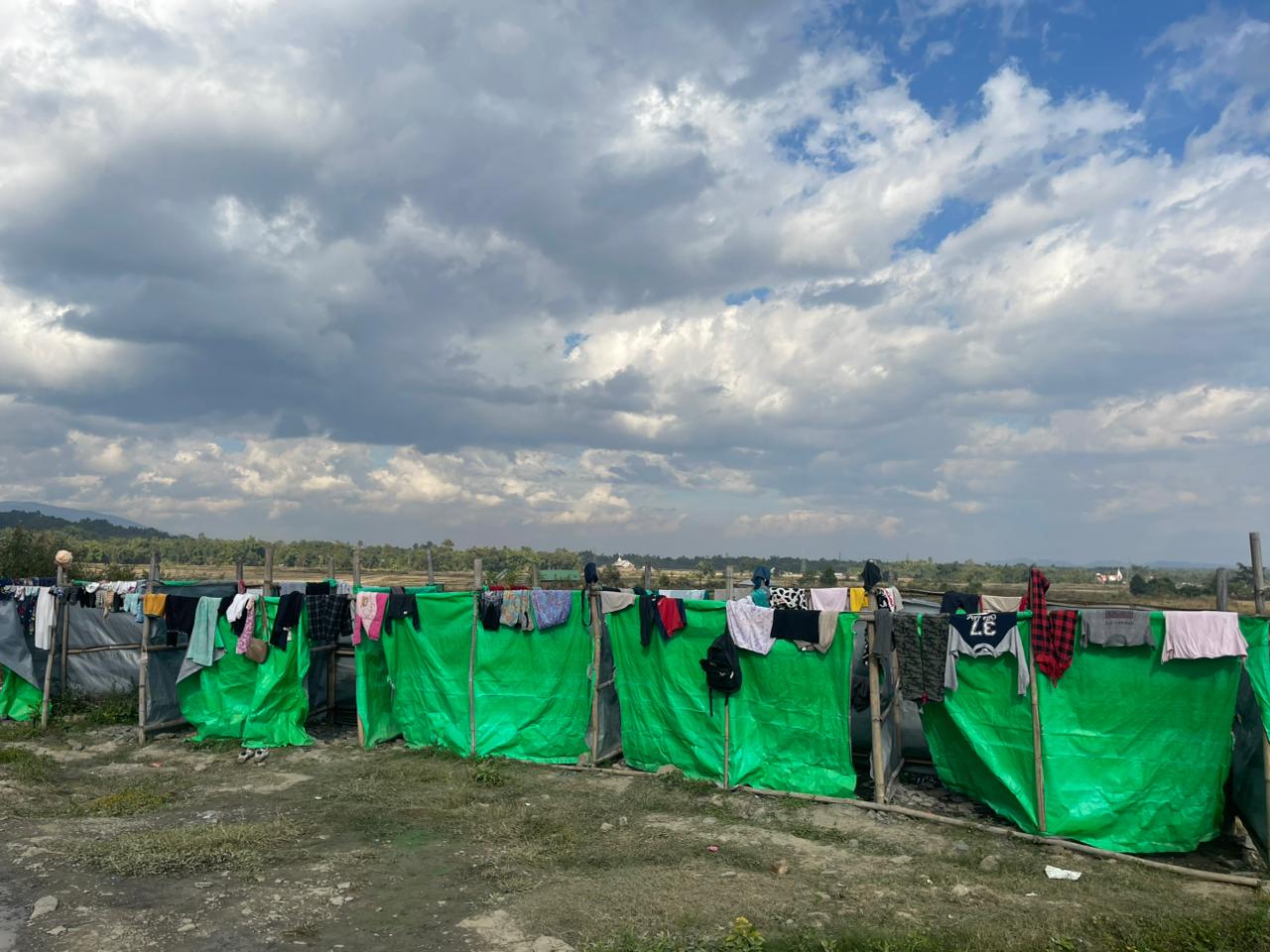
Two years on, many families remain in overcrowded relief camps across districts such as Imphal, Churachandpur and Kangpokpi, with only partial and slow efforts at resettlement underway; recent government data indicates that about 10,000 displaced people have been partially resettled under a rehabilitation package, but the majority still live in limbo amid fragile peace and insecurity.
As for children, the impacts are immediate and long-lasting: interruptions to schooling, limited access to healthcare and the psychological toll of prolonged uncertainty and trauma. Yet precise, disaggregated data including figures on how many children have been injured, killed or gone missing is often unavailable or unreported, this lack of child-specific data represents a significant gap in humanitarian reporting and response that obscures the specific vulnerabilities and needs of children and other subpopulations in conflict settings.
USTM’s Real Crime? Being Muslim-Owned and Thriving in the North-East
At the height of the violence in mid-2023, Manipur was hosting around 351 relief camps, sheltering over 50,000 displaced people in schools, government buildings and makeshift spaces. Government estimates from late 2023 indicated that approximately 22,000 to 25,000 children have been displaced and nearly 12,700 children were living in these camps, many showing signs of psychological distress. Nearly three years on, despite some rehabilitation efforts, tens of thousands of people including large numbers of children continue to live in over 300 displacement camps.
One key insight emerging from the discussions was that children’s distress is rarely visible in conventional assessment. During interviews with displaced women and caregivers in relief camps in Churachandpur, it became clear that hospital closures, unsafe and expensive transport, medicine shortages and fear of discrimination were some of the primary barriers for access to health for displaced families.
Sharjeel Imam Writes from Jail: On Jinnah, Islamic Modernism, Democracy, and Muslim Exclusion
These barriers pushed families toward self-medication, informal care and delayed treatment, increasing risks for children’s poor nutrition, immunisation, untreated illness among children and overall their well-being. Yet the interviews also revealed women’s agency and resilience, as they navigated maternal and child healthcare through community networks, local pharmacies and informal providers in the absence of reliable public health systems.
Medical practitioners who were providing support to children in relief camps echoed the need to continue long-term support for children. Organizations such as Emmanuel Hospital Association (EHA) have found that children in relief camps are facing layered risk such as fear of renewed violence, separation from family members, forced displacement and an uncertain future, alongside , disrupted education, lack of privacy, exposure to substance use, nutritional stress and heightened risk of abuse. Importantly, EHA’s experience showed that psychosocial healing often begins not with formal counselling, but with trust, through safe spaces where children can play, draw, tell stories and simply be heard.
These low-resource, connection-driven approaches were repeatedly described as more effective than short-term, specialist-led interventions that disappear once funding cycles end, raising broader questions about who funds children’s psychosocial support in post-conflict settings and why long-term, community-based care remains chronically under-resourced.
Grassroots organisations further highlighted how displacement has placed disproportionate burdens on women, particularly mothers and primary caregivers and children, especially in the early months when state support was minimal and limited. As primary caregivers responsible for children’s safety, food, health and emotional well-being, many women bore the daily work of survival amid violence and uncertainty. Accounts of women giving birth while fleeing violence, children growing up without schooling and families surviving through community solidarity indicated how psychosocial harm is deeply intertwined with gaps in basic services.
Education-focused interventions including temporary learning spaces, community schools and “School on Wheels” initiatives in relief camps have become critical for restoring routine and stability for displaced children. Alongside education, awareness sessions on the Protection of Children from Sexual Offences (POCSO) Act, 2012 — India’s child protection law addressing sexual abuse and ensuring child-friendly reporting mechanisms have been conducted in camps to strengthen community vigilance and safeguard children’s rights. Together, these efforts show how education and legal awareness function as key protection tools in protracted displacement settings.
As Manipur’s crisis fades from national attention, the mental health and psychosocial needs of displaced children remain urgent and ongoing. The discussions made clear that MHPSS for children in conflict cannot be treated as a short-term emergency add-on, but must be sustained, community-based and integrated within health, education and child protection systems.
For children living through violence and prolonged displacement, recovery is not achieved through isolated counselling sessions alone. It is built through strengthening community-based support structures, rebuilding safe learning environments and trusted adults who remain present beyond funding cycles. In long term displacement settings, meaningful MHPSS begins with connection and for displaced children, that sustained human connection may be the most protective intervention of all.
(Dr. Evelyn Nianglianching is a Research and Projects Officer at Etch Consultancy. The piece was supported by a grant from Royal Academy of Engineering.)